

Your Shopping Cart


-
 Sold out
Mont Marte Iridescent Foil Paint 20ml
Mont Marte Mont Marte is a globally recognized brand known for offering high-quality and affordable art materials that cater to artists of all levels. From beginners to seasoned professionals, Mont Marte provides a wide range of art supplies, including paints, brushes, canvases, sketchbooks, and sculpting tools. With a strong focus on accessibility, Mont Marte aims to make art enjoyable and available to everyone by delivering...Regular price Rs. 349.00Regular priceUnit price per -
 Sold out
Mont Marte Gold Foil Paint 20ml
Mont Marte Mont Marte is a globally recognized brand known for offering high-quality and affordable art materials that cater to artists of all levels. From beginners to seasoned professionals, Mont Marte provides a wide range of art supplies, including paints, brushes, canvases, sketchbooks, and sculpting tools. With a strong focus on accessibility, Mont Marte aims to make art enjoyable and available to everyone by delivering...Regular price Rs. 349.00Regular priceUnit price per -
 Sold out
Mont Marte Silver Foil Paint 20ml
Mont Marte Mont Marte is a globally recognized brand known for offering high-quality and affordable art materials that cater to artists of all levels. From beginners to seasoned professionals, Mont Marte provides a wide range of art supplies, including paints, brushes, canvases, sketchbooks, and sculpting tools. With a strong focus on accessibility, Mont Marte aims to make art enjoyable and available to everyone by delivering...Regular price Rs. 299.00Regular priceUnit price per -
 Sold out
Mont Marte Crackle Paste 250Ml
Mont Marte Mont Marte is a globally recognized brand known for offering high-quality and affordable art materials that cater to artists of all levels. From beginners to seasoned professionals, Mont Marte provides a wide range of art supplies, including paints, brushes, canvases, sketchbooks, and sculpting tools. With a strong focus on accessibility, Mont Marte aims to make art enjoyable and available to everyone by delivering...Regular price Rs. 499.00Regular priceUnit price per -
 Sold out
Mont Marte Impasto Tub 500Ml
Mont Marte Mont Marte is a globally recognized brand known for offering high-quality and affordable art materials that cater to artists of all levels. From beginners to seasoned professionals, Mont Marte provides a wide range of art supplies, including paints, brushes, canvases, sketchbooks, and sculpting tools. With a strong focus on accessibility, Mont Marte aims to make art enjoyable and available to everyone by delivering...Regular price Rs. 1,049.00Regular priceUnit price per -
 Sold out
Mont Marte Light Moulding Paste 250Ml
Mont Marte Mont Marte is a globally recognized brand known for offering high-quality and affordable art materials that cater to artists of all levels. From beginners to seasoned professionals, Mont Marte provides a wide range of art supplies, including paints, brushes, canvases, sketchbooks, and sculpting tools. With a strong focus on accessibility, Mont Marte aims to make art enjoyable and available to everyone by delivering...Regular price Rs. 649.00Regular priceUnit price per -
 Sold out
Mont Marte Modelling Paste Tub 500Ml
Mont Marte Mont Marte is a globally recognized brand known for offering high-quality and affordable art materials that cater to artists of all levels. From beginners to seasoned professionals, Mont Marte provides a wide range of art supplies, including paints, brushes, canvases, sketchbooks, and sculpting tools. With a strong focus on accessibility, Mont Marte aims to make art enjoyable and available to everyone by delivering...Regular price Rs. 699.00Regular priceUnit price per -
 Sold out
Mont Marte Black Gesso Tub 500ml
Prepare your surfaces for stunning artwork with Mont Marte Black Gesso Premium 500ml. This high-quality acrylic primer creates a smooth, matte black foundation that enhances color vibrancy and improves paint adhesion. Ideal for artists working with acrylics, oils, and mixed media, it seals porous surfaces while providing excellent coverage and a durable finish. Its rich black base is perfect for creating dramatic backgrounds, allowing metallic,...Regular price Rs. 749.00Regular priceUnit price per -
 Sold out
Mont Marte Ceramic Liquid Paint Sets
The Mont Marte Signature Ceramic Paint Set is a complete painting kit designed for decorating ceramic, porcelain, china, and glass surfaces. This set includes 24 vibrant ceramic paint colors and 2 painting mediums, providing everything needed to create colorful, personalized designs on a variety of decorative items. Each bottle contains 20mL (0.7 US fl oz) of high-quality ceramic paint with a smooth consistency that applies...Regular price Rs. 649.00Regular priceUnit price per -
 Sold out
Mont Marte Oil Paints Sets
The Mont Marte Signature Oil Paint Set is a versatile collection of 24 vibrant oil paint colors, designed for artists, students, and hobbyists. Each paint tube contains 12mL (0.4 US fl oz) of high-quality oil paint with a smooth, buttery consistency that blends effortlessly and provides excellent coverage. The richly pigmented colors deliver strong tinting strength, making them ideal for creating vibrant artwork, detailed paintings,...Regular price Rs. 549.00Regular priceUnit price per -

 Sold out
Mont Marte Acrylic Colour Pastel Colour Sets
Acrylic paint can be thinned with water when wet, making it easy to apply with brushes, palette knives, sponges, or other tools. As it dries, the water evaporates, leaving behind a flexible, water-resistant layer of color. It dries much faster than oil paint and adheres well to many surfaces, including canvas, paper, wood, fabric, metal, and plastic.Regular price Rs. 119.00Regular priceUnit price per -
 Sold out
Mont Marte Acrylic Colour Paint Set 18 X 36ML.
Acrylic paint can be thinned with water when wet, making it easy to apply with brushes, palette knives, sponges, or other tools. As it dries, the water evaporates, leaving behind a flexible, water-resistant layer of color. It dries much faster than oil paint and adheres well to many surfaces, including canvas, paper, wood, fabric, metal, and plastic.Regular price Rs. 1,349.00Regular priceUnit price per -

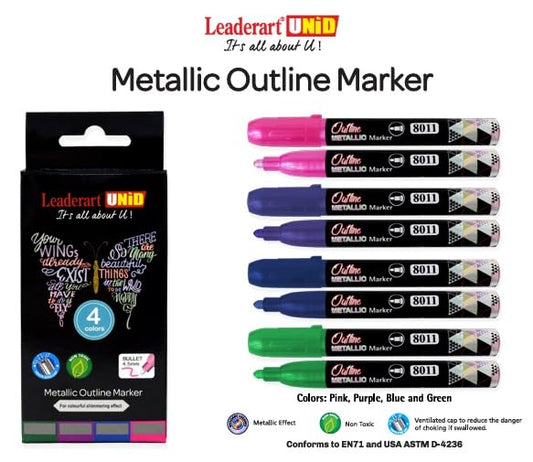
Leadeart UNID Outline Metallic Marker Bullet Tip 4.5MM, Set of 4 Sparkly Fun colors ideal for colouring, decorating,outlining,Glittery Art, Poster and much more.MADE IN MALAYSIA
The Leaderart Metallic Outline Marker 8011 Set is crafted for those who want to add sparkle and distinction to their creative works. This bundle of four markers includes Pink, Purple, Blue, and Green, each with a 4.5mm bullet tip that outlines metallically with a glitter effect—perfect for highlighting, borders, signage, posters, or decorative art on paper and craft materials. Made in Malaysia, these markers use...Regular price Rs. 390.00Regular priceUnit price per -

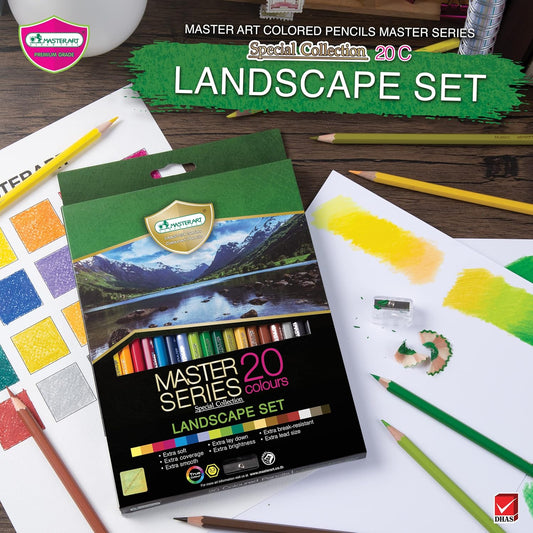
MASTERART Landscale Set Colored Pencils – 20 Soft Core Ocean-Inspired Shades for Adult Coloring Books, Sketching, Doodling & Drawing | Non-Toxic & Safe for Kids & Artists.
MASTERART Colored Pencil "MASTER SERIES" Special Collections are suitable for everyone. Selected 20 colors of each themes are available in SEA, LANDSCAPE, and SKIN set. As well as our standard colored pencils, extra soft and smooth colored pencils which made of new formula lead could provide excellent quality of drawing in natural shades, beautiful, and realistic. The leads were extra-large 3.3 mm. as it could...Regular price Rs. 520.00Regular priceUnit price per -

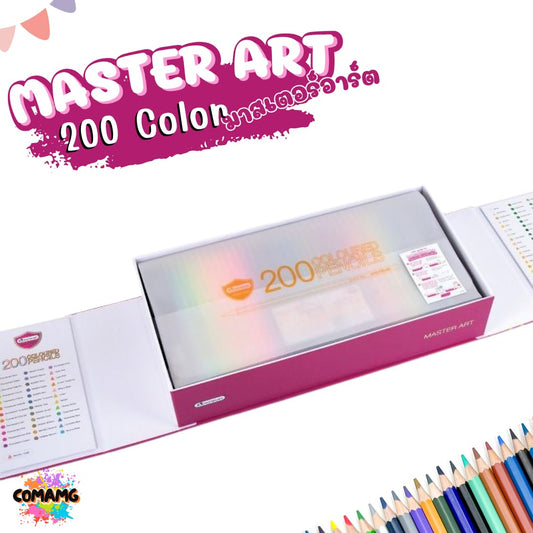
MASTERART Premium 200 Coloured Pencils Set | Ultra Soft Core, Smooth Shading, Rich Pigments | 200 Unique Shades in Carry Box | For Students, Office & Creative Coloring Artists
Bring your imagination to life with the MASTERART Premium 200 Coloured Pencils Set, featuring a massive collection of 200 vibrant, unique shades. Designed with an ultra-smooth soft core, these pencils provide rich colour output, effortless shading, and clean blending.The set includes Standard, Pastel, Metallic & Neon tones, giving endless options for creative colouring. Stored in a durable storage box with organised colour trays, they stay...Regular price Rs. 8,710.00Regular priceUnit price per


ALL PAINTING MEDIUMS
WATERCOLORS
ACRYLIC COLORS
POSTER COLORS
METALLIC / SPECIALTY PAINTS
What Is Watercolor Paper?
Watercolor Paper is the type of paper which is specially made in order to accept the water and pigment without changing its size or tearing up.
The surface of this paper is such that it makes the watercolor paints flow smoothly. This paper can be found in different weights and textures including hot pressed, cold pressed, and rough.
The watercolor paper is normally made out of cotton and wood pulp.
How To Use The Watercolor Paper?
Get excited about your painting experience with watercolor paper from Mello Store. First, select the correct side of the paper which is the textured one since it absorbs the color more efficiently.
Make sure that you secure your paper with tape to avoid curling when working with water. Sketch your design using a pencil before applying any paint.
Clean water along with brushes should be used to achieve perfect blends. Each time you apply a new layer make sure you allow it to dry to avoid making muddy colors. When you're finished painting make sure to let the piece dry.
For the best watercolor results, use quality brushes, clean water, and allow each layer to dry completely before applying the next wash.
Frequently Asked Questions (FAQs)
For light watercolor washes and sketching, 200 GSM paper works well. For heavier washes and professional watercolor techniques, thicker papers with higher GSM are recommended as they resist warping and absorb water better.
Rough watercolor paper creates textured, expressive strokes and is ideal for landscapes and loose painting styles. Smooth paper offers finer detail and is better suited for illustration, ink work, and precise watercolor techniques.
Many watercolor papers available at Mello Store are acid-free, helping preserve artwork for years without yellowing or fading. Acid-free paper is ideal for professional artwork and long-term storage.
Yes. Beginners can absolutely use artist-grade watercolor paper to improve blending, layering, and color control. Good-quality paper often makes watercolor painting easier and more enjoyable for new artists.
Heavier watercolor paper with strong absorbency and durable fibers works best for wet-on-wet painting because it can handle more water without buckling or tearing. Rough and cold-pressed surfaces are commonly preferred for this technique.